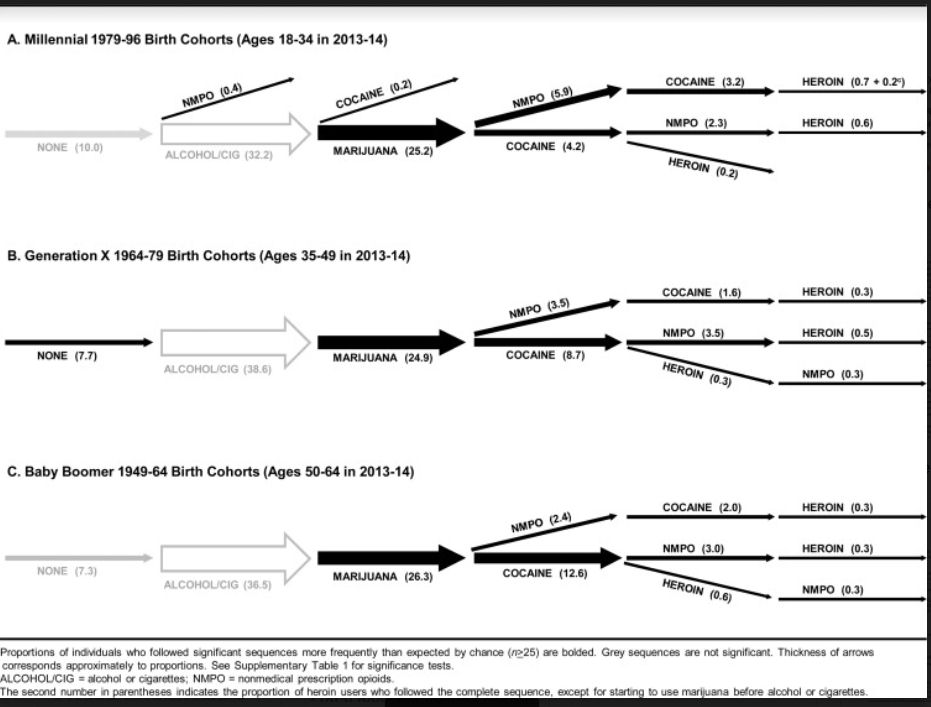
Pathway to Heroin
Other Information

Research, studies, articles on the realities of legalizing marijuana for any reason.
Brochure
Articles plus...

Opioid
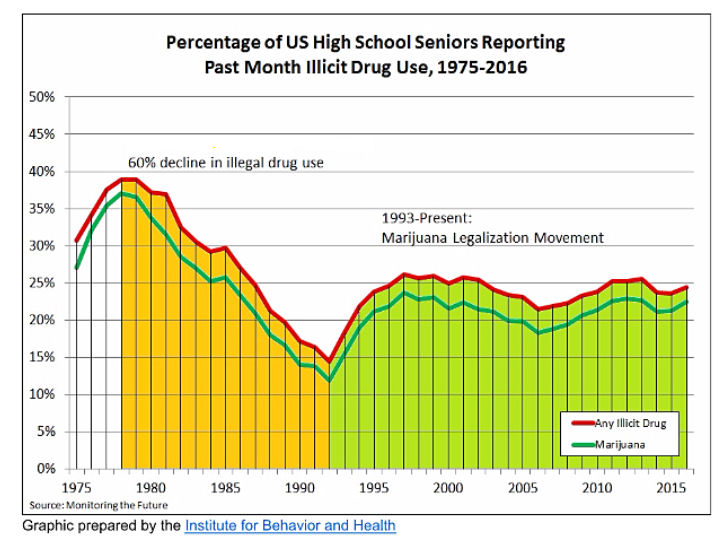
Our country has an opioid problem fueled by the fact that we have a drug abuse problem that often starts with alcohol, tobacco and marijuana. The three primary drugs of choice that often lead to hard drugs. People don't start their life of addiction with heroin.
Funding for substance abuse prevention education programs is more than lacking but almost nonexistent at all levels of schools (elementary to high school) and community centers. These programs would not only decrease the addiction epidemic but it would also significantly reduce domestic violence issues, human trafficking, pornography, crime and traffic car crashes (Florida is consistently ranked in the top 1 or 2 for fatal crashes involving drugs)... drugs often are the root of many of these life-alerting problems. These issues individual, the entire family and every community. It is impossible to put a value on prevention programs. How much do you value your family member's life?
Additional Articles linking Marijuana and Opioid Use
Opioid Resources
| Website | |||
|---|---|---|---|
|
|
|||
|
Pathway to Heroin
STUDY: Nonmedical prescription opioids and pathways of drug involvement in the US: Generational differences. PDF form The graph and report reflect no matter which generation heroin addiction does not begin by using heroin but other drugs. The three drugs that "prime" the brain and often lead to harder drugs are cigarettes, alcohol and marijuana. We need prevention funding to help educate our children, parents and community leaders develop the skills and strategies to avoid drug abuse. ADDICTION IS A PREVENTABLE DISEASE. |
|||
|
Colorado Opioid Deaths have increased since legalization of marijuana |
|||
|
Contrave contains a combination of bupropion and naltrexone. Bupropion is an antidepressant medicine that can also decrease appetite. Naltrexone is usually given to block the effects of opioids or alcohol in people with addiction problems. Naltrexone may also curb hunger and food cravings. Warnings
Do not use Contrave if you are pregnant.
What to avoid Contrave side effects |
|||
|
More than half of the 4.2 million Americans who misused prescription opioids between 2012 and 2014 also engaged in binge drinking, according to a new study released today by the Centers for Disease Control and Prevention (CDC) in the American Journal of Preventive Medicine. |
|||
|
|
|||
|
Opioid Resource Center Free access to research, data, analyses and other resources The opioid epidemic is taking lives every day. In the United States, where President Trump has declared it a national public health emergency, prescription opioids and heroin killed more than 33,000 people in 2015. |


Paraphernalia

Addiction

Opioid Tool Kit
Opioid Overdose Deaths
Recovery

Prevention Works