
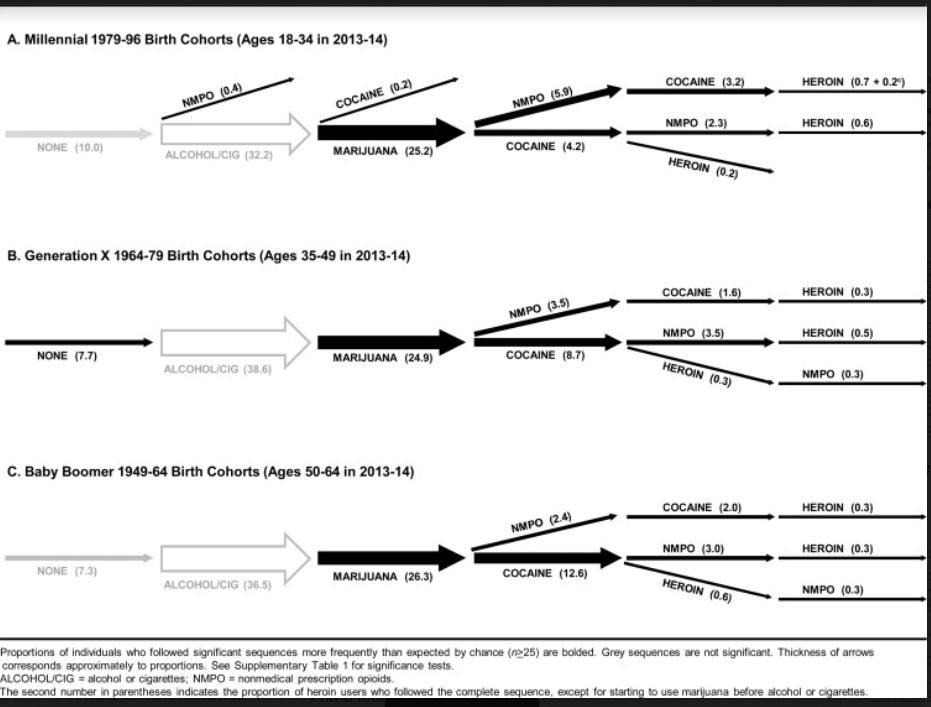
Pathway to Heroin
Other Information

Research, studies, articles on the realities of legalizing marijuana for any reason.
Brochure

Articles plus...

Nutritional priorities to support GLP-1 therapy for obesity
GLP-1s reduce body weight by 5–18 % in trials, with modestly lower effects in real-world analyses, with multiple demonstrated clinical benefits.
Challenges include side effects, especially gastrointestinal; nutritional deficiencies due to calorie reduction; muscle and bone loss; low long-term adherence with subsequent weight regain; and high costs with resulting low cost-effectiveness.
Numerous practice guidelines recommend multicomponent, evidence-based nutritional and behavioral therapy for adults with obesity, but use of such therapies with GLP-1s is not widespread.
Priorities to address this include:
(a) patient-centered initiation of GLP-1s, including goals for weight reduction and health;
(b) baseline screening, including usual dietary habits, emotional triggers, disordered eating, and relevant medical conditions;
(c) comprehensive exam including muscle strength, function, and body composition assessment;
(d) social determinants of health screening;
(e) and lifestyle assessment including aerobic activity, strength training, sleep, mental stress, substance use, and social connections.
